

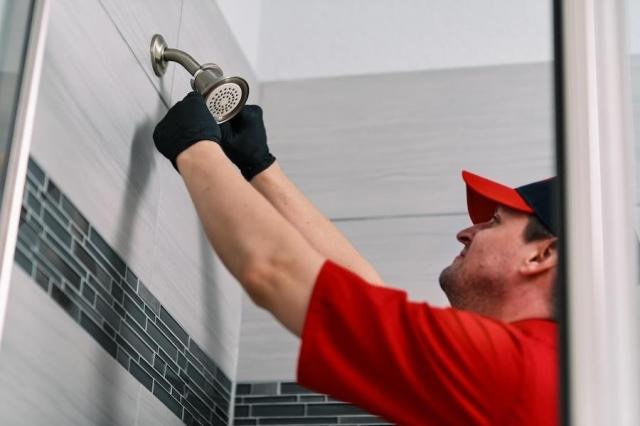
Is your shower turning cold out of nowhere—or leaking even when it's turned off? These might be signs that your shower valve is on its last legs. Whether you're dealing with a slow drip or pressure problems, knowing when to act is key. In this blog, we'll break down the most common signs of valve failure, what causes it, and when it's time to call a plumber in Crawford for help.
What Does a Shower Valve Do?
The shower valve is the hidden hero behind your daily shower. It blends hot and cold water and controls flow and pressure. When it starts to wear out, you'll notice right away—because your comfort takes a hit.
There are a few main types:
-
Single-handle valves (control temperature and flow)
-
Thermostatic valves (maintain set temperature)
-
Pressure-balancing valves (adjust for fluctuations in water supply)
Signs Your Shower Valve Needs Replacing
1. Sudden Temperature Changes
Water that flips between hot and cold could mean the valve isn't mixing properly. This is one of the most common complaints heard by any plumber, and it's more than just annoying—it can be dangerous.
2. Weak or Uneven Water Pressure
Is your water pressure dropping mid-shower or spraying unevenly? A worn-out or clogged valve could be to blame.
3. Leaking from the Handle
A drip from the shower handle—even when turned off—is usually caused by a damaged internal cartridge.
4. Handle is Hard to Turn
If your shower knob feels stuck or unusually loose, the internal parts of the valve may be corroded.
5. Water Won't Fully Shut Off
A leaking showerhead after you've turned off the handle often points to a worn valve seal.
6. Noisy Shower Pipes
Hearing banging or screeching sounds during a shower? Your valve might be restricting flow or reacting to pressure imbalances.
7. Shower Is Original to the House
If your home is over 10 years old and the plumbing hasn't been updated, that old valve may be past its prime.
Can You Replace a Shower Valve Yourself?
Some homeowners try to tackle this job themselves, but it's a complicated process involving:
-
Cutting into the wall
-
Soldering or connecting new plumbing
-
Choosing the correct valve type
-
Resealing everything without causing leaks
It's easy to make costly mistakes. That's why most people call a plumber for a quick, clean, and lasting solution.
Want to Replace It Yourself?
If you're experienced with home repairs and feel confident, we've created a full DIY guide to help:
Read: [Instructions on How to Replace a Shower Valve]
That post covers the tools you'll need, safety tips, and every step from removing the old valve to testing the new one.
How Long Do Shower Valves Last?
Most shower valves last 10–20 years, depending on water quality, usage, and maintenance. Hard water can shorten the lifespan, especially if you don't clean fixtures regularly.
What Happens If You Ignore the Problem?
Waiting too long to replace a bad valve can cause:
-
Higher water bills from constant leaks
-
Mold or mildew behind the wall
-
Major damage if a pipe bursts
-
Emergency repairs (that cost more)
Early action saves you money and stress.
When to Call a Plumber in Crawford
You should reach out to a plumber if:
-
Your shower temperature or pressure keeps changing
-
The handle is leaking or hard to turn
-
You've tried fixing it yourself with no success
-
Your home has older plumbing
A professional will inspect the valve, determine the best solution, and replace it with precision.
Trust Mr. Rooter Plumbing of Waco
At Mr. Rooter Plumbing of Waco, we know shower issues can disrupt your whole routine. That's why we're proud to serve the Crawford community with fast, reliable repairs.
Our licensed plumbers show up on time, respect your home, and offer honest pricing—every time. Whether your shower valve needs repair or full replacement, we'll handle it with care.
FAQs
Q1: What causes a shower valve to go bad?
Over time, wear and tear, mineral buildup from hard water, or corrosion can damage the valve components—especially the cartridge.
Q2: Can a leaking shower valve cause water damage?
Yes. Even small leaks can allow water to seep behind tiles or into walls, causing mold and rot.
Q3: How do I know if it's the valve or the showerhead?
If the issue involves water temperature or won't shut off completely, it's likely the valve—not the showerhead.
Q4: Do all showers use the same type of valve?
No. Different showers use different valves depending on age, style, and plumbing setup. A plumber can help you choose the right match.
Final Thoughts
When your shower doesn't work the way it should—don't ignore the signs. Whether it's temperature swings, pressure drops, or constant leaks, your shower valve may be the problem. Catching the issue early and calling a trusted plumber in Crawford can save you money and a lot of frustration.
And if you're thinking about tackling the job yourself, be sure to check out our step-by-step Instructions on How to Replace a Shower Valve guide to do it right.
Ready for a better shower? Call Mr. Rooter Plumbing of Waco today.
See What Crawford Locals Are Saying
Thinking about calling a plumber in Crawford? Don't just take our word for it—check out our reviews, photos, and service updates on Google. See why so many homeowners trust Mr. Rooter Plumbing of Waco for honest, reliable plumbing repairs.
Visit our Google Business Profile to view ratings, directions, and get in touch today.